
Is Your Air Conditioner Drain Line Clogged?
Is Your AC Drain Line Clogged? Signs, Causes & What to Do

A clogged AC drain line is one of the more common causes of water around an indoor air-conditioning system. Your air conditioner removes moisture from indoor air as it cools your home, and that water normally drains away through a condensate line.
If the line becomes blocked, water can back up into the drain pan, leak around the air handler, trigger a safety switch, or contribute to moisture damage.
Common signs of a clogged air conditioner drain line include standing water, a full drain pan, water stains, musty odors, unexpected system shutdowns, and visible buildup near the condensate drain.
What Is an AC Condensate Drain Line?
As warm indoor air passes over the cold evaporator coil, moisture condenses out of the air. That water collects in a condensate drain pan below the coil.
From there, the water flows through a drain line—often PVC piping—and is carried away from the HVAC system.
During humid Tennessee summers, an air conditioner can remove a significant amount of moisture from the air. If the condensate line cannot drain properly, water begins accumulating where it should not.
Signs Your AC Drain Line Is Clogged
A clogged condensate drain does not always look the same. Some systems begin leaking, while others shut themselves off before water overflows.
Watch for these common signs:
- Standing water around the indoor AC unit
- Water collecting inside the drain pan
- Water stains on nearby ceilings, walls, or floors
- A musty or damp odor near the air handler
- Visible algae or debris around the drain opening
- The air conditioner unexpectedly shutting off
- A float switch repeatedly stopping the system
- Water dripping from an emergency or secondary drain
Water Around the Indoor AC Unit

Water around the indoor air handler is one of the most noticeable signs of a condensate problem.
When a clogged drain line prevents condensate from leaving the system, the drain pan may begin filling with water. If the problem continues, the water can overflow onto the floor or surrounding building materials.
A clogged drain is not the only possible cause of water around an air conditioner. Other possibilities can include:
- A damaged or rusted drain pan
- A frozen evaporator coil that later melts
- A disconnected or damaged condensate line
- An improperly installed drain
- Another HVAC moisture or drainage problem
If water continues to collect around the equipment, have the system inspected instead of assuming the drain line is definitely the cause.
Water Stains Near the Air Conditioner

Water stains around the air handler, ceiling, wall, or floor can indicate that condensate has been leaking for some time.
This is particularly important when an air handler is installed in an attic, closet, or other area where a small leak may remain unnoticed.
EPA guidance says condensate pans should drain properly and that substantial standing water or debris indicates a problem requiring attention. citeturn972125search0turn972125search7
Correcting the drainage problem quickly can help limit additional moisture damage to drywall, flooring, insulation, or other nearby materials.
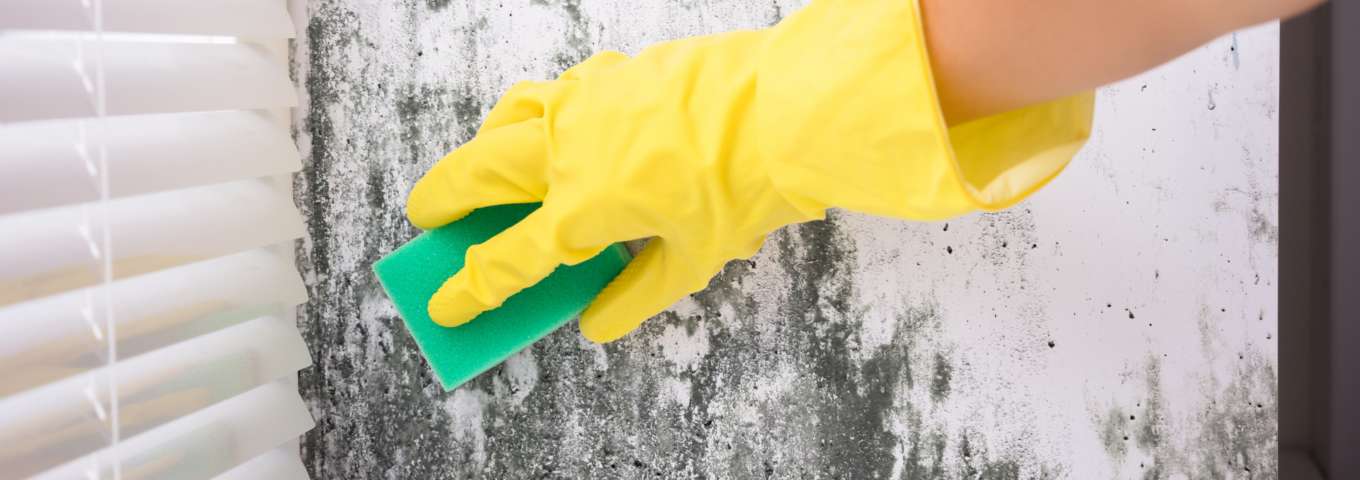
Can a Clogged AC Drain Line Cause Mold?
A clogged drain line does not automatically mean mold is present, but moisture problems can create conditions that support biological growth.
If water sits in a drain pan, leaks into surrounding materials, or keeps HVAC components damp, mold may become more likely. EPA specifically advises keeping air-conditioning drip pans clean and drain lines unobstructed and flowing properly as part of moisture control. citeturn972125search2turn972125search4
If you see significant visible mold or suspect contamination inside the HVAC system, the underlying moisture problem should be corrected rather than simply cleaning the visible surface.
Why Do AC Drain Lines Get Clogged?

Condensate drains carry moisture away from the evaporator coil, and over time material can accumulate inside the line.
Common causes of AC drain line clogs include:
- Algae or biological buildup
- Dust and dirt entering the condensate system
- Debris inside the drain pan
- Sludge accumulating in the drain line
- Improper drain slope
- Problems with the condensate trap
- A damaged or poorly installed drain line
The drain pan and line should be able to move condensate away from the HVAC system freely. EPA moisture-control guidance recommends routinely checking condensate lines and drain pans for cleanliness and proper drainage. citeturn972125search7
Can a Clogged AC Drain Line Make the AC Stop Working?
Yes, depending on how the HVAC system is configured.
Many systems have a condensate overflow safety switch, commonly called a float switch. If water rises too high in the drain pan or drain assembly, the switch can shut the air conditioner down to help prevent an overflow.
If your AC suddenly stops operating and you discover standing water near the indoor unit, a drainage problem is one possibility.
Do not repeatedly reset or bypass an overflow switch without correcting the drainage problem that caused it to activate.
Can a Clogged Drain Line Cause Water Damage?
Yes. When condensate cannot drain correctly, water may overflow into nearby areas.
Depending on where the air handler is installed, this can potentially damage:
- Drywall
- Ceilings
- Flooring
- Insulation
- Cabinetry
- Wood framing
EPA moisture guidance notes that ineffective condensate drainage can contribute to leaks, moisture damage, and increased mold risk. citeturn972125search36
How Do You Unclog an AC Drain Line?
The correct method depends on the HVAC system, the drain configuration, and where the clog is located.
An HVAC technician may:
- Inspect the drain pan and condensate line
- Remove accumulated debris
- Use appropriate vacuum equipment to clear the blockage
- Clean accessible drain components
- Check the trap and drain slope
- Verify that water flows freely after cleaning
- Inspect for additional leaks or drainage problems
If the drain continues clogging after it has been cleared, the technician should determine why the buildup keeps returning instead of repeatedly treating the symptom.
Can You Unclog an AC Drain Line Yourself?
Some homeowners may be able to perform basic maintenance if their HVAC manufacturer or technician provides instructions for their specific drain setup.
However, not every condensate system is built the same way. Access points, traps, pumps, drain materials, and equipment configurations vary.
Avoid taking apart HVAC components or pouring chemicals into the drain unless the equipment manufacturer or qualified technician recommends that method for your system.
For example, Trane advises homeowners with recurring drain clogs to have a technician demonstrate the appropriate maintenance procedure for their system before using distilled vinegar. citeturn972125search6
Should You Pour Bleach Down an AC Drain Line?
I would not treat bleach as a universal maintenance recommendation.
HVAC systems vary, and chemical compatibility depends on the drain materials, nearby components, and manufacturer instructions.
If you want to perform preventative condensate-line maintenance yourself, first check the manufacturer’s instructions or ask your HVAC technician what method is appropriate for your equipment.
This is safer than automatically adding bleach, vinegar, or another chemical on a fixed schedule.
How Can You Prevent an AC Drain Line From Clogging?

Preventative maintenance can reduce the chance of condensate drainage problems.
Helpful steps include:
- Have the drain pan inspected during AC maintenance
- Make sure the condensate drain is flowing freely
- Replace dirty HVAC filters as needed
- Keep the indoor equipment reasonably clean
- Correct standing water promptly
- Address recurring drain clogs instead of repeatedly clearing them
- Follow manufacturer-specific condensate maintenance instructions
EPA recommends keeping air-conditioning drip pans clean and drain lines unobstructed as part of controlling moisture inside the HVAC system. citeturn972125search2
How Often Should an AC Drain Line Be Cleaned?
There is no universal cleaning interval that applies to every air-conditioning system.
The condensate drain should be inspected as part of routine HVAC maintenance, and cleaning should be performed when buildup or restricted drainage is found.
Homes in humid climates may generate considerable condensate during cooling season, making reliable drainage particularly important.
If your drain line repeatedly clogs, more frequent inspection may be appropriate, but the underlying cause should also be investigated.
Why Does My AC Drain Line Keep Clogging?
Repeated clogs can indicate more than normal maintenance buildup.
Possible reasons include:
- Heavy biological buildup
- Excessive debris reaching the drain pan
- Improper drain-line slope
- A poorly configured trap
- Recurring moisture contamination
- Drain installation problems
If you are clearing the same drain repeatedly, have the condensate system inspected rather than continuing to address only the blockage.
What if the AC Is Leaking but the Drain Line Isn’t Clogged?
If the condensate line is open but water is still leaking, another HVAC problem may be responsible.
Possible causes include:
- A cracked or rusted drain pan
- A frozen evaporator coil
- Improper drainage installation
- Condensate pump failure
- Excessive condensation
- A disconnected drain line
A professional inspection can determine whether you actually have a clogged drain or another cooling-system problem.
Schedule AC Repair in Nashville, TN
If your AC drain line is clogged, water is collecting around the air handler, or your system keeps shutting down because of a condensate problem, Right Time HVAC can inspect the system and determine what is causing the issue.
For cooling-system diagnosis and repair, visit our AC repair in Nashville, TN page.
If your system needs routine seasonal service, learn more about our AC maintenance services.
For urgent HVAC failures or serious leaks that cannot wait, visit our emergency HVAC repair page.
Do not ignore standing water around your HVAC equipment. A blocked condensate drain can turn a small drainage problem into water damage if it is left unresolved.