Fall HVAC Maintenance Checklist for Nashville Homeowners
Fall in Nashville brings a welcome break from the heat and humidity of summer. But before you turn off the air conditioning and forget about your HVAC system until the first cold night, September and early fall are an ideal time to give your heating and cooling equipment some attention.
Your HVAC system works hard during a Middle Tennessee summer. A little preventive maintenance now can help address wear from the cooling season, prepare your heating system for colder weather, improve efficiency, and reduce the likelihood of an unexpected breakdown when temperatures drop.
Use this fall HVAC maintenance checklist to help get your Nashville home ready for the changing season.
Why Fall HVAC Maintenance Matters in Nashville
Middle Tennessee’s changing seasons mean your HVAC system can transition from cooling to heating relatively quickly. Nashville homeowners may still need air conditioning on warm afternoons while reaching for the heat when cooler nights arrive.
That makes fall a valuable transition period for HVAC maintenance.
Routine maintenance can help your system operate more efficiently and give an HVAC technician an opportunity to identify worn or malfunctioning components before they turn into larger problems. Right Time HVAC recommends regular maintenance to help improve system performance and reduce the chance of untimely failures.
Here are some of the most important items to put on your fall HVAC checklist.
1. Replace or Inspect Your HVAC Air Filter
Start with one of the simplest HVAC maintenance tasks: check the air filter.
After months of summer operation, your filter may have collected significant amounts of dust, pollen, pet hair, and other airborne particles. A dirty filter restricts airflow, forcing your HVAC system to work harder to move conditioned air throughout your home.
If the filter looks dirty, replace it. How frequently filters need replacement depends on factors such as the type of filter, pets, household conditions, and how often the HVAC system operates.
Maintaining proper airflow can help your system operate more efficiently and is especially important before your heating equipment begins running regularly.
2. Schedule a Professional Heating Tune-Up
You don’t want the first freezing night of the year to also be the first time you discover your heating system has a problem.
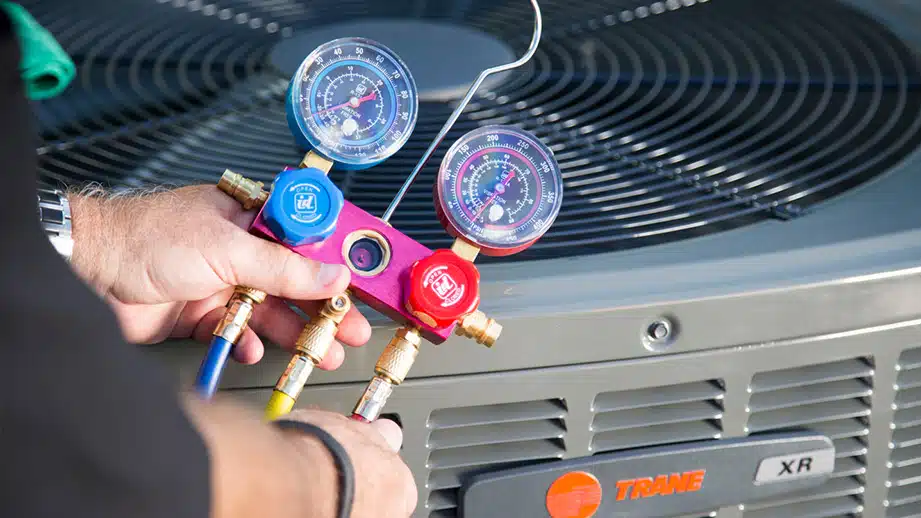
A professional heating maintenance service allows a technician to inspect, clean, and test the system before it has to handle the demands of colder weather. Right Time HVAC notes that routine heating maintenance can help improve efficiency, extend equipment life, and reduce the likelihood of costly repairs.
Depending on the type of heating system in your home, professional maintenance may include checking electrical components, testing system operation and safety controls, inspecting components for wear, cleaning equipment, and verifying that the system is heating properly.
Scheduling early can also help you address repairs before you’re relying on the system every day.
3. Give Your Air Conditioner an End-of-Season Check
Fall maintenance isn’t only about your furnace or heat pump.
Your air conditioner just finished one of the most demanding parts of its operating year. Nashville’s combination of heat and humidity can keep cooling systems working for long periods throughout the summer.
Before putting the cooling season behind you, look for signs that your AC may need attention. These can include unusual noises, weak airflow, difficulty maintaining the thermostat setting, unexpected increases in cooling costs, or unusually long run times. Right Time HVAC identifies these as potential signs of an air-conditioning problem.
If your system struggled during the summer, scheduling AC maintenance now may allow you to address an issue rather than carrying it into next year’s cooling season.
4. Clear Leaves and Debris From the Outdoor Unit
Falling leaves can quickly accumulate around an outdoor HVAC unit.
Check the area around your equipment periodically and remove leaves, grass clippings, branches, and other debris that may restrict airflow. Keep landscaping from crowding the equipment as well.
The U.S. Department of Energy recommends keeping the area around an outdoor air-conditioning condenser free from debris and trimming nearby foliage so the unit has adequate airflow.
U.S. Department of Energy – Air Conditioner Maintenance
Don’t open or disassemble HVAC equipment yourself. Cleaning or servicing internal components is better left to a qualified HVAC technician.
5. Test Your Thermostat
Fall is also a good time to make sure your thermostat is responding correctly.
Switch the system from cooling to heating and verify that your HVAC equipment starts as expected. Check that the indoor temperature displayed on the thermostat seems accurate and review your programmed schedule.
You may also want to adjust your schedule for fall. There is little reason to heat or cool an empty house to the same temperature you prefer when everyone is home.
If you’re still using an older manual thermostat, this may be a good time to consider upgrading. Programmable and smart thermostats can make it easier to create temperature schedules based on your household’s routine.
6. Check Your Vents and Registers
Walk through your home and make sure supply and return vents aren’t blocked by furniture, rugs, curtains, or other household items.
Restricted airflow can contribute to comfort problems and make it more difficult for your HVAC system to distribute conditioned air effectively.
If some rooms consistently feel much warmer or cooler than others, however, moving furniture may not solve the problem. Damaged, restricted, poorly designed, or leaking ductwork can contribute to weak airflow, uneven temperatures, excessive HVAC runtime, and unnecessary energy loss.
Right Time HVAC can evaluate airflow and ductwork as part of its broader HVAC services in Nashville if you’re experiencing persistent comfort problems.
7. Pay Attention to Unusual Sounds and Smells
Your HVAC system can often provide clues that something isn’t working correctly.
When you turn on the heat for the first time, pay attention to rattling, grinding, squealing, buzzing, or other unfamiliar noises. A brief dusty smell can occur when a heating system is first used after sitting idle, but persistent burning, electrical, or other unusual odors deserve attention.
Don’t assume a strange noise or smell will simply disappear. Addressing a small mechanical or electrical issue early may prevent it from developing into a more disruptive repair.
8. Look for Signs Your HVAC System Is Working Too Hard
Your HVAC system shouldn’t have to run constantly to keep your home comfortable.
Watch for unusually long cycles, rooms that don’t reach the desired temperature, weak airflow, significant temperature differences between rooms, or unexplained increases in energy use.
Some of these symptoms can have relatively simple causes, such as a dirty filter. Others may point to ductwork problems, thermostat issues, dirty equipment, mechanical problems, or an aging HVAC system.
The goal isn’t to diagnose the system yourself. Instead, consider these changes early warning signs that it’s worth having the equipment inspected.
9. Don’t Forget Indoor Air Quality
As temperatures fall, Nashville families tend to spend more time indoors and keep doors and windows closed more often.
That makes fall a good time to think about indoor air quality as well as temperature.
Changing filters, keeping the HVAC system clean, maintaining appropriate indoor humidity, and addressing airflow problems can all contribute to a more comfortable indoor environment.
If allergies are a concern in your household, Right Time HVAC also has guidance on how your HVAC system can help with Nashville allergies and indoor air quality.
10. Know When Maintenance Isn’t Enough
Routine HVAC maintenance can help equipment operate properly, but it can’t reverse every problem associated with an aging or failing system.
If your HVAC system needs frequent repairs, struggles to maintain comfortable temperatures, operates excessively, or has become increasingly expensive to run, ask your technician about the condition of the equipment.
That doesn’t automatically mean replacement is necessary. A professional inspection can help determine whether you’re dealing with a repairable problem, an airflow issue, deferred maintenance, or equipment that’s approaching the end of its useful service life.
When Should Nashville Homeowners Schedule Fall HVAC Maintenance?
Ideally, schedule heating maintenance before you begin relying heavily on the system.
September and early fall provide an opportunity to test and service your heating equipment before Nashville’s colder weather arrives. It also gives you time to address problems uncovered during an inspection rather than discovering them during the first major cold spell.
Homeowners in Nashville, Murfreesboro, Brentwood, Franklin, Nolensville, Hendersonville, Bellevue, Smyrna, La Vergne, and surrounding Middle Tennessee communities can use this seasonal transition as a reminder to have their HVAC systems checked. Right Time HVAC lists these communities among its current service areas.
Get Your Nashville HVAC System Ready for Fall
Your HVAC system works throughout the year to keep your home comfortable. Giving it some attention between Nashville’s cooling and heating seasons can help you head into colder weather with greater confidence.
Start with the basics: change your filter, clear debris from the outdoor equipment, check vents, review your thermostat settings, and pay attention to changes in system performance. Then have a professional inspect and maintain the equipment itself.
Right Time HVAC provides heating and cooling maintenance, repairs, and other HVAC services throughout Nashville and Middle Tennessee.
Ready to prepare your HVAC system for cooler weather? Schedule your fall HVAC maintenance with Right Time HVAC before the busy heating season begins.