Air Filters: Does a Higher MERV Rating Restrict Airflow?
Does a Higher MERV Rating Restrict Airflow?

Yes, a higher MERV filter can restrict airflow in some HVAC systems, but the MERV rating alone does not determine how restrictive a filter will be. Filter thickness, surface area, design, condition, and the capabilities of your HVAC blower all matter.
A higher-efficiency filter is designed to capture smaller airborne particles, which can improve indoor air quality. However, if the filter creates more resistance than your HVAC system is designed to handle, airflow can decrease and the system may have to work harder.
The best approach is to use the highest-efficiency filter your system can accommodate without negatively affecting airflow or equipment performance.
What Is a MERV Rating?
MERV stands for Minimum Efficiency Reporting Value. It is a standardized rating used to describe how effectively an air filter captures particles of different sizes.
MERV ratings generally range from 1 to 16 for commonly available HVAC filters, with higher ratings indicating greater particle-capture efficiency. Higher-rated filters can capture smaller particles such as dust, pollen, pet dander, mold spores, and other airborne contaminants.
The U.S. Environmental Protection Agency recommends using a filter rated MERV 13, or the highest-rated filter that the HVAC system fan and filter slot can accommodate. Not every system is designed for the same filter resistance, so compatibility matters.
Does a Higher MERV Rating Reduce Airflow?
It can.
As air passes through a filter, the filter creates resistance. HVAC professionals often describe this resistance as pressure drop. A filter with excessive pressure drop can reduce the amount of air moving through the system.
Higher-efficiency filters may create more pressure drop than lower-efficiency filters, but this is not universal. A well-designed, deeper pleated MERV 13 filter can sometimes have similar or even better airflow characteristics than a lower-rated, poorly designed filter.
The actual effect depends on factors such as:
- The MERV rating
- Filter thickness
- Filter surface area
- Pleat design
- Filter size
- How dirty the filter is
- Blower capacity
- Ductwork design
- Total system static pressure
What Happens if an Air Filter Restricts Too Much Airflow?

If a filter creates more resistance than the HVAC system can handle, reduced airflow can affect heating and cooling performance.
Possible symptoms can include:
- Weak airflow from supply vents
- Longer heating or cooling cycles
- Rooms that do not reach the thermostat setting
- Higher blower workload
- Reduced comfort
- Frozen evaporator coils in some cooling situations
- Increased energy use
- Premature wear on certain system components
These problems are not caused by MERV ratings alone. A dirty filter, undersized return ductwork, restrictive grilles, dirty coils, blower problems, or other airflow issues can create similar symptoms.
Is MERV 13 Too High for a Home HVAC System?
For many homes, MERV 13 is not too high. The EPA states that many residential HVAC systems can accommodate a MERV 13 filter, provided the system can handle the filter and it is replaced as needed.
However, not every furnace, air handler, return system, or filter rack is identical. An older system or a system already struggling with high static pressure may not respond well to a more restrictive filter.
If you are unsure whether your system can handle MERV 13, check the equipment documentation or have an HVAC technician measure system airflow and static pressure.
Is MERV 12 Too High for a Home?
Usually, MERV 12 is not automatically too high for a residential HVAC system. Many systems can handle filters in this range without problems.
What matters more is whether the specific filter causes excessive pressure drop in your specific system.
A thick, high-surface-area MERV 12 filter may allow better airflow than a thin filter with a lower rating. That is why choosing a filter based only on the MERV number can be misleading.
Does a Higher MERV Filter Make Your HVAC Work Harder?
It can if the filter significantly reduces airflow.
When airflow is restricted, the blower may need to operate against higher resistance. Depending on the type of blower motor and HVAC system, this can affect airflow, power consumption, comfort, and equipment performance.
However, a properly selected high-efficiency filter that is compatible with the system should not automatically create harmful operating conditions.
Does Filter Thickness Matter?
Yes. Filter thickness can make a substantial difference.
A 4-inch or 5-inch pleated filter generally has much more surface area than a 1-inch filter. More surface area can allow the filter to capture particles efficiently while maintaining lower resistance to airflow.
This means a thicker MERV 13 filter may sometimes be less restrictive than a thin high-MERV filter.
You should only use a filter thickness that fits the HVAC system’s filter cabinet properly.
What Is the Difference Between MERV, MPR, and FPR?
Several filter-rating systems are used in the residential HVAC market.
MERV
MERV, or Minimum Efficiency Reporting Value, is based on a standardized test method associated with ASHRAE. It evaluates how effectively a filter captures particles across several size ranges.
MPR
MPR stands for Microparticle Performance Rating. It is a proprietary rating system developed by 3M and is commonly found on Filtrete-brand filters.
MPR emphasizes filtration of very small particles.
FPR
FPR stands for Filter Performance Rating. It is a proprietary rating system used by The Home Depot for certain filters.
Because MERV, MPR, and FPR use different scales, the numbers should not be compared directly without using a conversion reference.
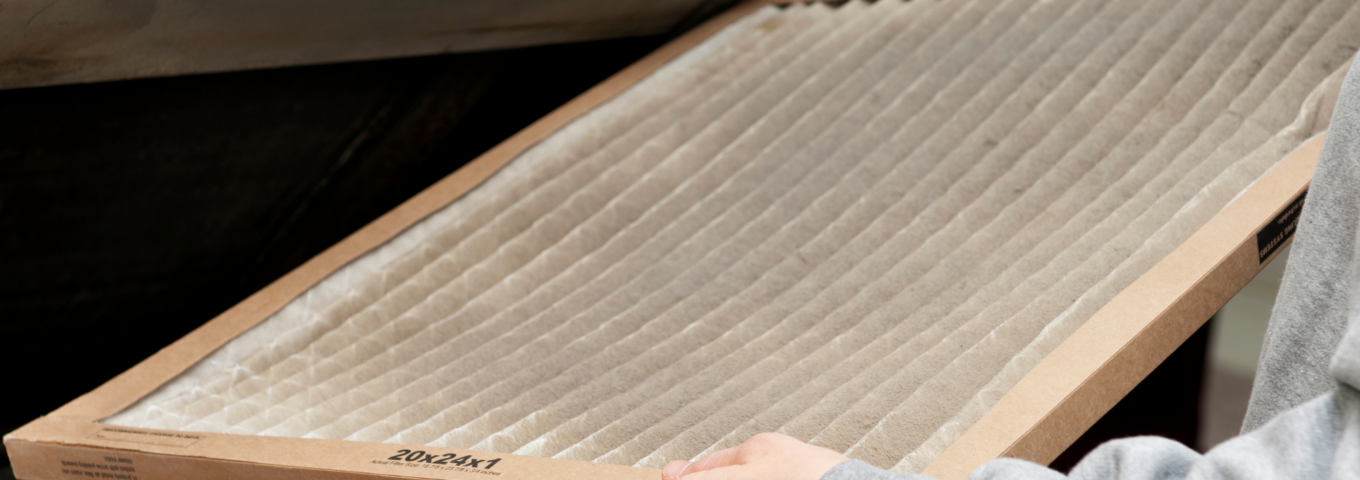
Does a Dirty Air Filter Restrict Airflow?

Yes. Even a properly selected filter can eventually become restrictive when it collects enough dust and debris.
As the filter loads with particles, resistance to airflow generally increases. That is why regular filter inspection and replacement are important regardless of the MERV rating.
How often a filter needs to be changed depends on factors such as:
- Filter type and thickness
- Number of occupants
- Pets
- Indoor dust levels
- HVAC runtime
- Smoking or other indoor particle sources
- Outdoor air conditions
Instead of assuming every filter must be replaced on the same monthly schedule, check the manufacturer’s guidance and inspect the filter regularly.
What MERV Rating Should I Use?
The best MERV rating is the highest filtration level that your HVAC system can accommodate while maintaining proper airflow.
For many homes, MERV 8 through MERV 13 is common, depending on the equipment and indoor air quality goals. EPA guidance recommends MERV 13 or the highest efficiency the system can handle.
If you want better filtration for allergies, pets, smoke, dust, or other airborne particles, you may benefit from a higher-efficiency filter. However, airflow should still be considered before upgrading.
How Do I Know if My Filter Is Too Restrictive?
Possible signs include:
- Noticeably weaker airflow after installing a new filter
- The system running much longer than before
- Difficulty reaching the thermostat setting
- Frozen AC coils
- Unusual blower noise
- Hot or cold rooms that were previously comfortable
- A significant change in HVAC performance immediately after changing filter types
These symptoms can also come from other HVAC problems, so they do not prove that the filter is the cause.
Can an HVAC Technician Test Whether a Filter Restricts Airflow?
Yes. An HVAC technician can measure system static pressure and airflow to determine whether the filter or another part of the duct system is creating excessive resistance.
This is much more reliable than guessing based only on the MERV number.
If airflow is poor, the issue may involve:
- The air filter
- Return duct sizing
- Supply duct restrictions
- Dirty indoor coils
- Closed or blocked vents
- Blower settings
- Blower motor problems
Improve Indoor Air Quality Without Hurting HVAC Performance
Better filtration can be an important part of improving indoor air quality, but the filter needs to work with the HVAC system rather than against it.
Right Time HVAC provides indoor air quality services in Nashville for homeowners looking to improve filtration, humidity control, ventilation, and overall indoor comfort.
If you are experiencing weak airflow or poor system performance, our team can also determine whether the issue involves the filter or another HVAC component.
For cooling problems, visit our AC repair in Nashville page. For heating problems, learn more about our heating system repair in Nashville services.
If you’re unsure which air filter is right for your HVAC system, Right Time HVAC can help you choose a filtration level that balances indoor air quality with proper system airflow.