How Often Should Ventilation Ductwork Be Cleaned?
How Often Should Air Ducts Be Cleaned?
How often should you have your air ducts cleaned? Unlike air filters or seasonal HVAC maintenance, there is no universal schedule that says every home’s ductwork needs to be cleaned every few years.
The U.S. Environmental Protection Agency does not recommend routine air duct cleaning on a fixed schedule. Instead, duct cleaning should generally be considered when there is a specific reason to clean the system, such as substantial mold growth, pest infestation, or excessive dust and debris inside the ducts.
Some homes may go many years without needing professional duct cleaning, while others may need attention sooner because of construction dust, contamination, pests, moisture problems, or other unusual conditions.
How Often Should You Clean Your Air Ducts?
There is no single interval that applies to every home.
Rather than automatically scheduling duct cleaning every two, three, or five years, inspect the system and consider whether there is evidence of contamination or another problem that actually justifies cleaning.
You may want to have your ductwork inspected if:
- You can see substantial dust or debris inside the ducts
- Particles are visibly blowing from supply registers
- There has been a rodent or insect infestation in the duct system
- There is confirmed or substantial visible mold growth inside hard-surface ducts or HVAC components
- The home recently underwent major construction or renovation that produced significant dust
- Water or moisture has entered the duct system
- You notice unusual odors that appear to originate from the ductwork
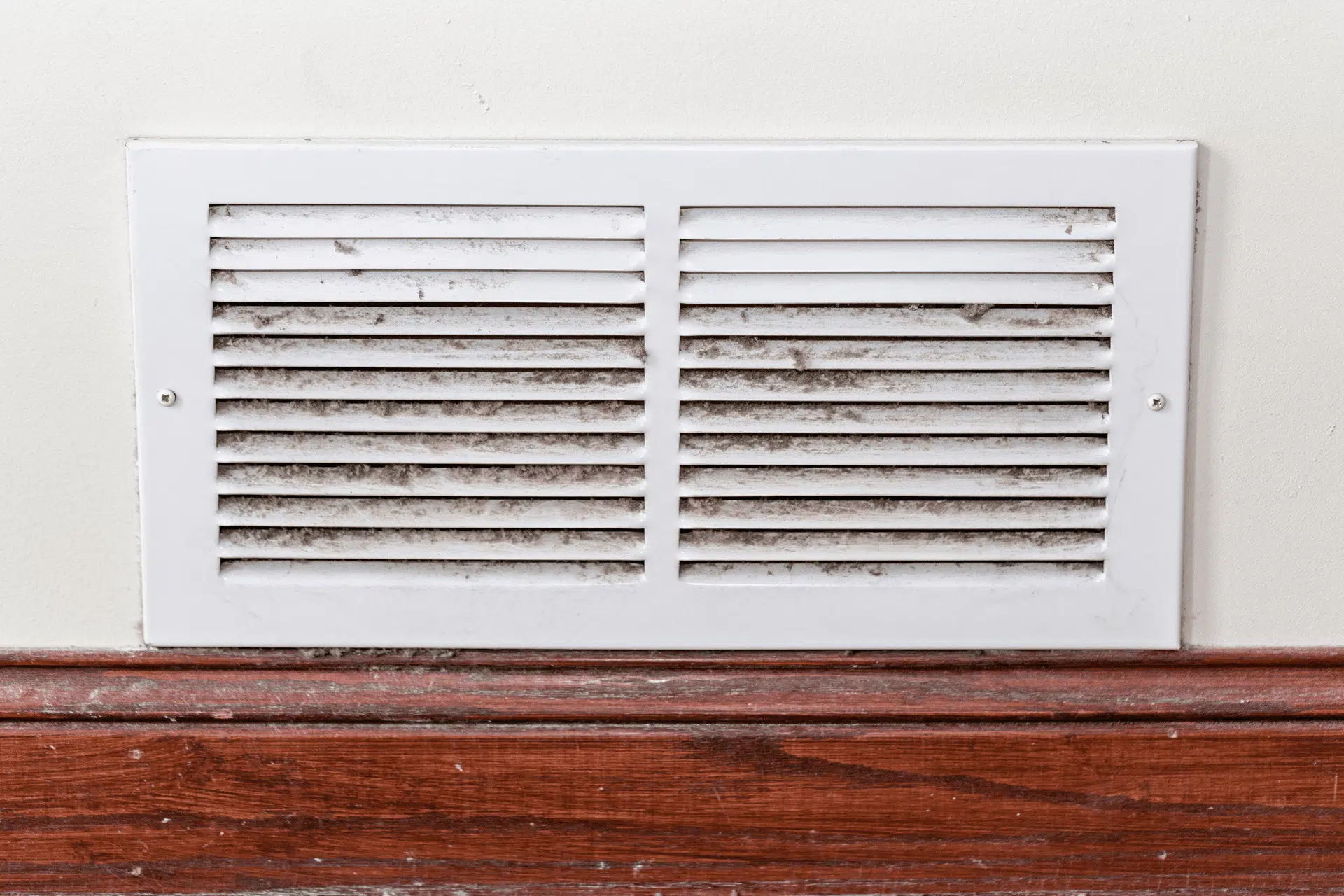
A light coating of household dust inside ductwork is common and does not automatically mean professional cleaning is necessary.
Is Air Duct Cleaning Really Necessary?

Sometimes, but not as routine maintenance for every home.
According to the EPA, duct cleaning has not been proven to prevent health problems, and studies have not conclusively shown that normal dust inside air ducts significantly increases airborne particle levels inside a home.
Much of the dust that accumulates inside ductwork sticks to the duct surfaces rather than constantly being blown into the living space.
That means cleaning ducts simply because they contain some visible dust may provide little benefit.
Duct cleaning becomes more reasonable when there is a specific contamination problem that needs to be corrected.
When Does the EPA Recommend Considering Air Duct Cleaning?
The EPA identifies three major situations where homeowners should consider having air ducts cleaned.
1. Substantial Visible Mold Growth
If substantial mold growth is present inside hard-surface ductwork or other HVAC components, cleaning may be appropriate.
However, something that looks like mold is not always mold. EPA advises homeowners to ask the service provider to show them the contamination, and in uncertain cases professional testing may be needed.
If insulated duct material becomes wet or moldy, cleaning may not be sufficient. In some cases, contaminated insulation needs to be replaced.
Most importantly, the moisture source needs to be corrected. Otherwise, mold can return even after the system is cleaned.
2. Rodents or Insects in the Ductwork
If rodents, insects, or other pests have infested the ducts, the contamination should be addressed.
The pest problem itself should also be corrected before or along with duct cleaning so the problem does not immediately return.
3. Excessive Dust and Debris
Duct cleaning may also be appropriate when ductwork is clogged with substantial amounts of dust or debris or when particles are actually being released from supply registers into the home.
This is different from seeing a small amount of dust on a register grille, which is normal and can usually be vacuumed or wiped clean.
Does Air Duct Cleaning Improve Indoor Air Quality?
Not necessarily.
Air duct cleaning is often marketed as a way to dramatically improve indoor air quality, but the available evidence does not support making that claim for every home.
Indoor air quality depends on many factors, including:
- Outdoor pollutants entering the home
- Cooking
- Cleaning products
- Pets
- Smoking
- Humidity
- Ventilation
- Air filtration
- Moisture problems
- Mold sources
If your main concern is dust, allergens, humidity, or other airborne contaminants, duct cleaning may not be the most effective solution.
Right Time HVAC also provides indoor air quality services in Nashville for homeowners dealing with filtration, humidity, ventilation, and other indoor air concerns.
Does Air Duct Cleaning Improve HVAC Efficiency?
Cleaning the ducts alone has not been clearly shown to significantly improve HVAC efficiency in most homes.
EPA notes that cleaning certain heating and cooling system components, such as dirty coils, fans, and heat exchangers, may help improve system performance. However, there is little evidence that cleaning only the ductwork will make the entire HVAC system substantially more efficient.
If your system has weak airflow, long run times, uneven temperatures, or high utility bills, the problem could involve:
- A dirty air filter
- Restricted ductwork
- Duct leakage
- Dirty HVAC coils
- Blower problems
- Closed or blocked registers
- Equipment sizing
- Another heating or cooling problem
An HVAC inspection can help determine the actual cause before assuming the ducts need cleaning.
Does a Dirty Air Filter Make Ducts Dirtier?
A properly installed HVAC filter helps capture airborne particles before they enter deeper parts of the heating and cooling system.
Filters should be checked regularly and replaced according to their condition and the manufacturer’s recommendations.
A missing filter, clogged filter, poorly fitting filter, or gaps around the filter rack can allow additional dust and debris into the HVAC system.
EPA recommends using the highest-efficiency filter that your HVAC system manufacturer recommends and replacing filters regularly.
If you’re unsure which filter your system can handle, read our guide to MERV ratings and HVAC airflow.
Should You Clean Air Ducts After Remodeling?
Major remodeling or construction can introduce large amounts of drywall dust, sawdust, insulation particles, and other debris into a home.
If supply and return registers were left open while dusty construction work was performed, some of that material may enter the duct system.
In that situation, an inspection may be worthwhile. If substantial construction debris has accumulated inside the ductwork, cleaning may make sense.
During future renovations, closing or sealing supply and return registers and avoiding operation of the HVAC system during heavy dust-producing work can help keep debris out of the ducts.
Should Air Ducts Be Cleaned After Buying a House?
Buying a home does not automatically mean the ductwork needs professional cleaning.
However, an inspection can be reasonable if you do not know the property’s maintenance history or if you notice evidence of pests, significant dust, moisture, mold, or debris.
Rather than paying for cleaning automatically, determine whether there is an actual contamination problem first.
Can Mold Grow Inside Air Ducts?
Yes, biological growth can occur when moisture is present.
Moisture control is one of the most important parts of preventing mold and other biological contamination inside an HVAC system.
Potential moisture sources can include:
- Condensation
- Drainage problems
- Water leaks
- Poor insulation
- High indoor humidity
- Improper HVAC installation
If mold is suspected, the moisture source needs to be identified and corrected. Cleaning without addressing the moisture problem can allow contamination to return.
Can You Clean Air Ducts Yourself?
Homeowners can clean accessible supply and return grilles and vacuum visible dust around register openings.
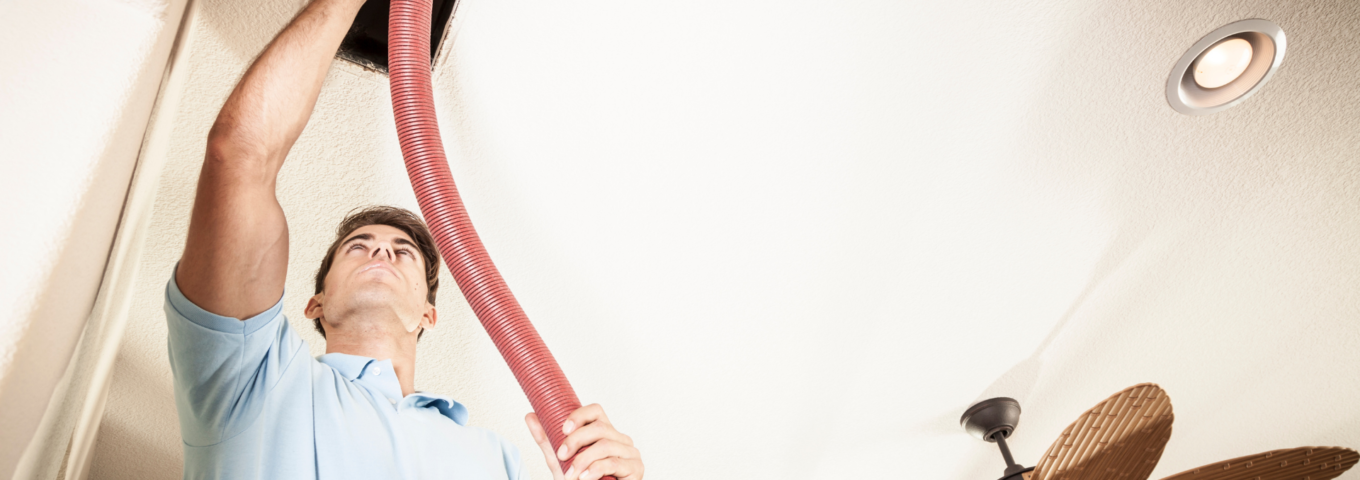
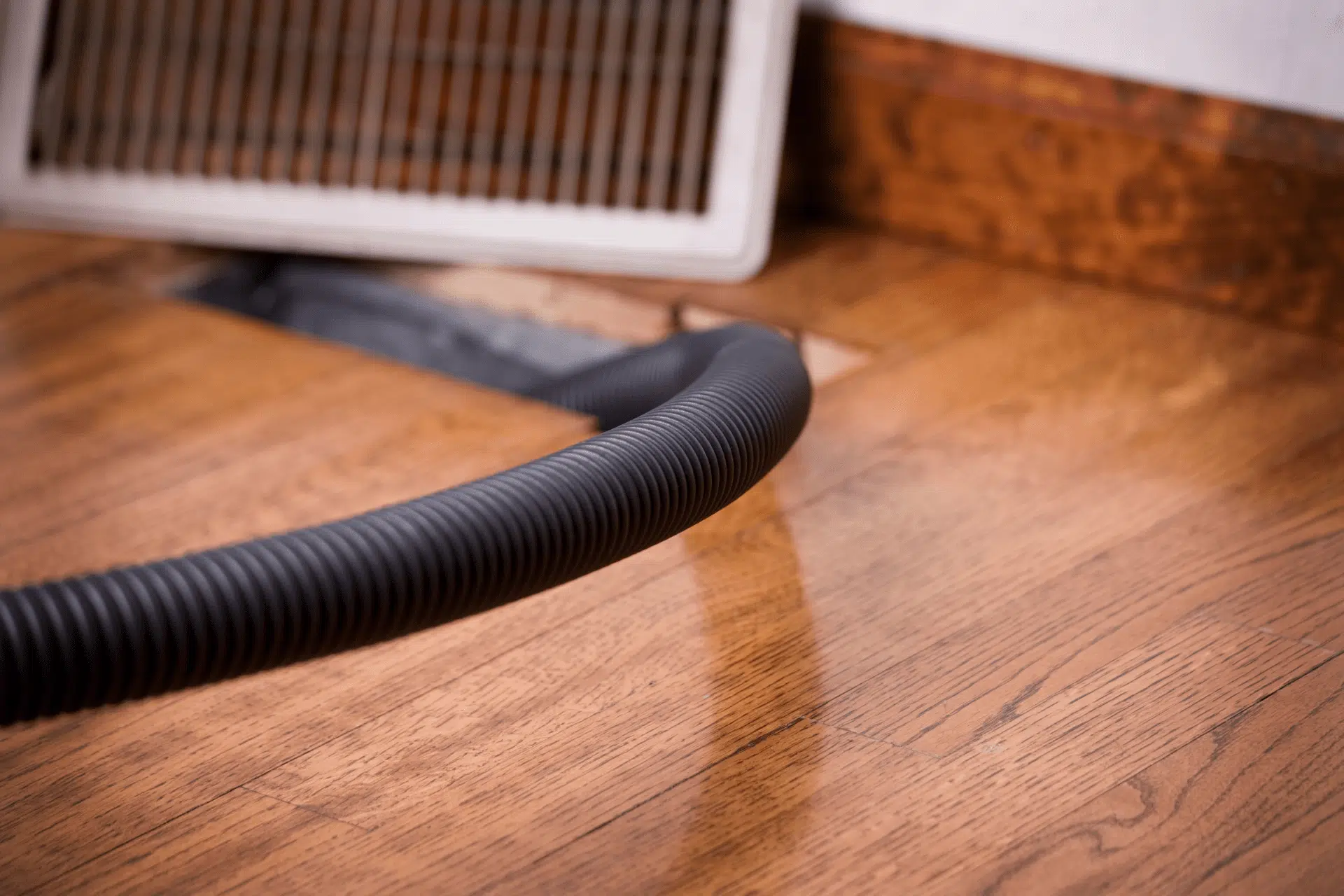
A complete duct-system cleaning is different. Professional cleaning may require access to multiple parts of the system, specialized agitation tools, and high-powered vacuum equipment designed to prevent loosened debris from being distributed throughout the home.
Improper duct cleaning can damage flexible ducts, fiberglass duct board, insulation, or other components.
What Should Professional Air Duct Cleaning Include?
If duct cleaning is actually needed, the work should address the contaminated portions of the HVAC system rather than simply vacuuming around the visible registers.
Depending on the situation, professional cleaning can involve:
- Supply and return ducts
- Registers and grilles
- Diffusers
- Blower components
- Air-handler housing
- Cooling coils
- Drain pans
- Other accessible HVAC components
A contractor should also protect the home from dust released during the cleaning process and avoid damaging ductwork or insulation.
How Can You Keep Air Ducts Cleaner?
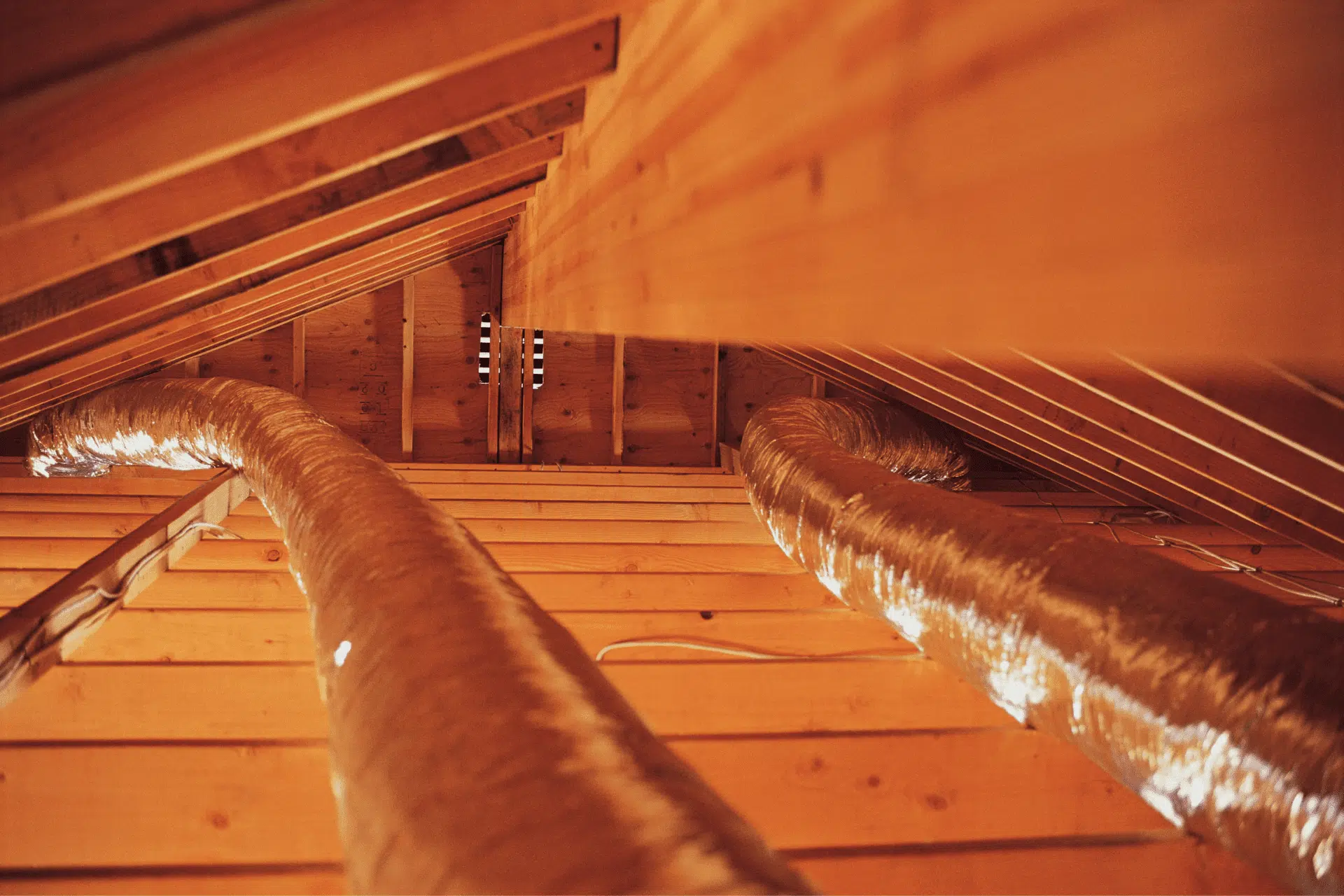
Preventing contamination is usually more useful than repeatedly cleaning ductwork.
Steps that can help include:
- Replace HVAC filters when needed
- Use an appropriate high-efficiency filter for your system
- Make sure filters fit correctly without large gaps
- Keep supply and return registers clean
- Correct water leaks and moisture problems promptly
- Maintain cooling coils and drain pans
- Seal registers during dusty renovation work
- Keep the home reasonably clean and vacuum regularly
- Have HVAC equipment maintained periodically
How Do I Know Whether My Ducts Need Cleaning?
If you are unsure, start with an inspection rather than automatically scheduling a cleaning.
Consider professional evaluation when you notice:
- Visible contamination inside the ducts
- Significant amounts of debris
- Particles coming from supply registers
- Evidence of pests
- Suspected moisture problems
- Possible mold growth
- Persistent unusual odors
If the ducts appear relatively clean and there is no evidence of contamination, routine professional cleaning may not be necessary.
Have Your HVAC System & Ductwork Inspected in Nashville
If you are experiencing weak airflow, excessive dust, unusual odors, uneven temperatures, or another HVAC problem, Right Time HVAC can help determine whether the issue involves the ductwork or another part of the heating and cooling system.
For broader heating and cooling problems, visit our HVAC services in Nashville page.
If the problem is related to cooling performance, learn more about AC repair in Nashville.
Rather than cleaning ducts on an arbitrary schedule, have the system evaluated when there are actual signs of contamination, airflow trouble, or another ductwork problem.