
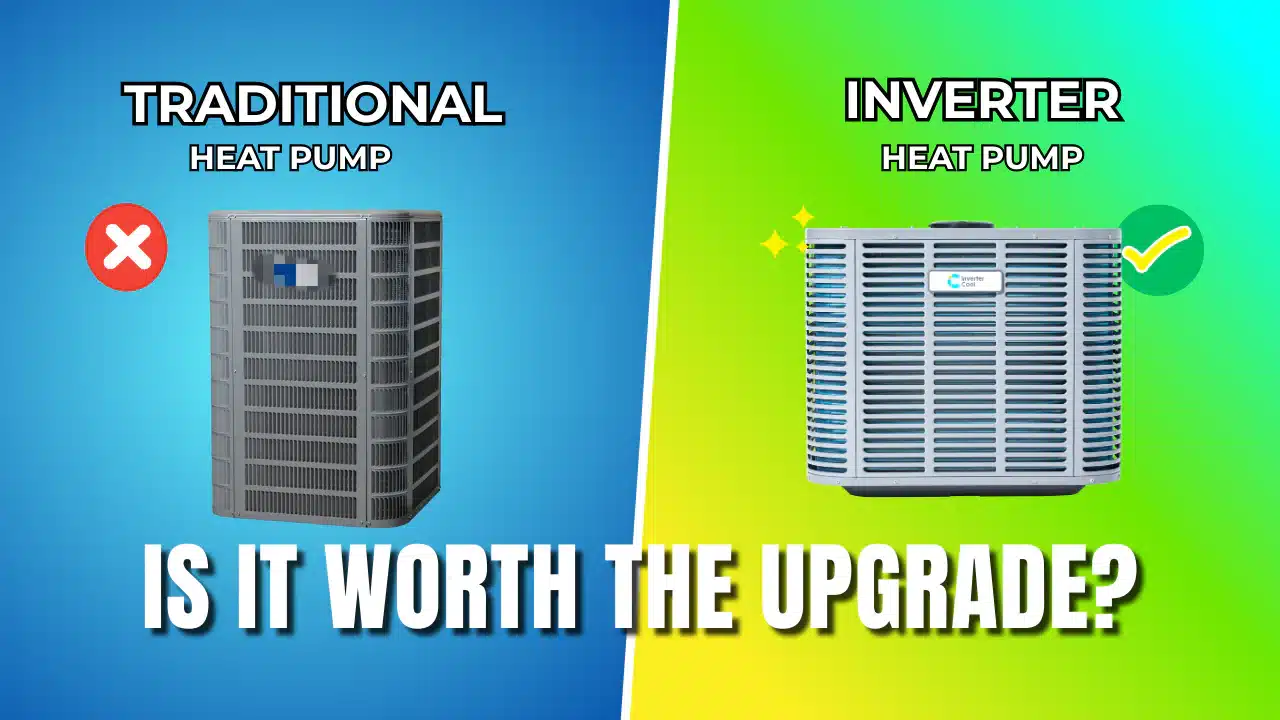
Inverter vs Single-Stage vs Two-Stage
Inverter vs. Single-Stage vs. Two-Stage HVAC Systems: Which Is Best for Your Nashville Home?
Choosing a new HVAC system is not just about picking a brand. It is also
about choosing how you want your heating and cooling system to
operate every day.
The main difference between single-stage, two-stage, and inverter HVAC
systems is how much heating or cooling capacity they can deliver at one
time.
A single-stage system generally operates at full output, a two-stage system
has a lower and higher operating level, and an inverter or variable-capacity
system can continuously adjust its output based on what the home needs.
Right Time HVAC helps Nashville homeowners compare these options based on
comfort, budget, home layout, airflow, and long-term performance rather
than simply recommending the most expensive equipment.
Single-Stage vs. Two-Stage vs. Inverter HVAC at a Glance
| Feature | Single-Stage | Two-Stage | Inverter / Variable Capacity |
|---|---|---|---|
| Output Levels | One | Two | Continuously adjustable |
| Typical Operation | Full output, then off | Lower stage most of the time with higher output when needed | Adjusts output based on current demand |
| Temperature Control | More noticeable swings | More consistent than single-stage | Designed for very steady temperatures |
| Sound | Starts and stops may be more noticeable | Often quieter during lower-stage operation | Often operates quietly at reduced capacity |
| Upfront Cost | Typically lowest | Typically moderate | Typically highest |
| Best Fit | Budget-focused replacement | Balanced comfort and cost | Premium comfort and control |
What Is a Single-Stage HVAC System?
A single-stage HVAC system has one primary operating
capacity. When the thermostat calls for heating or cooling, the equipment
turns on at its designed output and continues running until the thermostat
setting is satisfied.
Once the desired temperature is reached, the system shuts off and waits
until another heating or cooling cycle is needed.
Advantages of Single-Stage HVAC
- Lower initial equipment cost in many installations
- Simple operating design
- Can be a practical option for budget-conscious homeowners
- May work well in homes with relatively consistent comfort needs
Potential Trade-Offs of Single-Stage HVAC
- More noticeable temperature changes between cycles
- Full-output startup can be more noticeable
- Airflow may feel stronger when the system starts
- Less capacity flexibility than staged or inverter equipment
What Is a Two-Stage HVAC System?
A two-stage HVAC system has two operating capacities.
Instead of running at maximum output every time the thermostat calls, the
system can operate at a lower stage during milder conditions and increase
to the higher stage when more heating or cooling is required.
That additional operating level gives the HVAC system more flexibility than
traditional single-stage equipment.
Advantages of Two-Stage HVAC
- Smoother temperature control than single-stage equipment
- Lower-stage operation during moderate conditions
- Potentially quieter everyday operation
- Less noticeable airflow changes
- A middle ground between basic and premium HVAC equipment
Potential Trade-Offs of Two-Stage HVAC
- Higher upfront investment than many single-stage systems
- Still operates at predetermined stages rather than continuously adjusting
- Comfort improvements depend on proper sizing and installation
What Is an Inverter HVAC System?
An inverter HVAC system, often described as
variable-capacity equipment, can adjust compressor output across a wider
operating range.
Instead of waiting for the home to move significantly away from the
thermostat setting and then responding with maximum output, the system can
increase or decrease capacity as conditions change.
This allows the equipment to spend more time maintaining indoor conditions
rather than repeatedly recovering from larger temperature swings.
For a deeper explanation of the technology, read our guide to
how inverter heat pumps work
.
Advantages of Inverter HVAC Systems
- Very consistent indoor temperatures
- Smoother changes in heating and cooling output
- Quieter operation during reduced-capacity conditions
- Less noticeable starting and stopping
- Strong comfort control during changing outdoor conditions
- Potential efficiency advantages when properly selected and installed
Potential Trade-Offs of Inverter HVAC Systems
- Higher initial investment
- More advanced equipment and controls
- Proper installation and commissioning become especially important
- Existing ductwork and airflow problems can limit performance
Which HVAC System Provides the Most Even Temperatures?
Inverter equipment generally offers the greatest ability to maintain steady
indoor temperatures because it can adjust output instead of relying on one
or two fixed operating levels.
Two-stage equipment provides more flexibility than single-stage equipment,
while single-stage systems tend to produce the most noticeable heating and
cooling cycles.
However, equipment type is only part of the equation. Poor ductwork,
incorrect system sizing, insulation problems, airflow restrictions, or
thermostat placement can still create uncomfortable rooms even with
advanced HVAC equipment.
Which HVAC System Is Quietest?
Inverter and variable-capacity systems are often attractive to homeowners
who are sensitive to HVAC noise because the equipment can spend significant
periods operating below maximum output.
Two-stage equipment may also operate more quietly while using its lower
stage.
Single-stage equipment can be more noticeable because the system typically
moves directly from off to its operating capacity.
Which HVAC System Is Best for Nashville Humidity?
Nashville’s humid cooling season makes moisture control an important part
of indoor comfort.
Longer, steadier cooling cycles can provide more consistent opportunities
for moisture removal than frequent short cycling. This is one reason
staged and variable-capacity systems may appeal to homeowners who struggle
with summer humidity.
System sizing and airflow still matter. Even premium HVAC equipment may
struggle with humidity if it is oversized or improperly configured.
Persistent moisture concerns may also require dedicated
indoor air quality and humidity-control solutions
.
How to Decide Which HVAC System Is Right for Your Home
There is no single system type that is automatically best for every
Nashville home.
A Single-Stage System May Be a Good Fit If:
- Your replacement budget is a major consideration
- Your home already maintains reasonably even temperatures
- You prefer a straightforward HVAC setup
- Premium comfort features are not a priority
A Two-Stage System May Be a Good Fit If:
- You want better temperature consistency than single-stage equipment
- You want improved comfort without moving directly to premium inverter equipment
- Your current system produces noticeable temperature swings
- You want the system to have more flexibility during mild weather
An Inverter System May Be a Good Fit If:
- Consistent comfort is one of your highest priorities
- You are sensitive to HVAC noise or strong airflow changes
- You want advanced capacity control
- You struggle with temperature swings
- You are planning a long-term HVAC investment
Why HVAC System Sizing Still Matters
Buying more advanced equipment does not eliminate the need for proper HVAC
design.
Before recommending replacement equipment, Right Time HVAC considers
factors such as:
- Heating and cooling demand
- Home size and layout
- Existing ductwork
- Airflow
- Current comfort complaints
- Existing HVAC configuration
- Budget and equipment preferences
Simply installing the same size equipment that was previously in the home
does not automatically mean the new system is the best match.
What Right Time HVAC Does Differently
Comparing single-stage, two-stage, and inverter equipment only helps when
the recommendation is tied to the actual home.
Right Time HVAC focuses on:
- System-sizing considerations instead of automatically matching old equipment
- Airflow and ductwork conditions
- The homeowner’s actual comfort complaints
- Clear explanations of equipment advantages and trade-offs
- Options at different investment levels
If you are already considering replacement, explore our
AC installation and replacement services
or
heating system replacement options
.
Frequently Asked Questions About HVAC System Stages
Is inverter HVAC better than two-stage?
Inverter equipment offers a wider range of capacity adjustment than
two-stage equipment, which can provide more precise comfort control.
Whether the additional capability is worth the higher investment depends on
your home, comfort priorities, and budget.
Is two-stage HVAC worth it?
Two-stage HVAC can be a good middle-ground option for homeowners who want
smoother temperature control and more capacity flexibility than
single-stage equipment without moving to a premium variable-capacity
system.
Does an inverter HVAC system run constantly?
It may operate for longer periods than single-stage equipment, but it can
do so at reduced output. Longer operation does not necessarily mean the
system is running at maximum capacity the entire time.
Is single-stage HVAC still a good option?
Yes. Single-stage equipment can still be a practical choice when upfront
cost, simplicity, and basic heating and cooling performance are the main
priorities.
Which HVAC system is best for humidity?
Systems capable of longer and steadier cooling operation may provide more
consistent moisture removal, but humidity control also depends on correct
system sizing, airflow, home conditions, and equipment configuration.
Does Right Time HVAC install single-stage, two-stage, and inverter systems?
Right Time HVAC can help Nashville-area homeowners compare different HVAC
equipment options and determine which type best fits the home’s comfort
needs, system design, and budget.
Compare HVAC Replacement Options With Right Time HVAC
If you are comparing
inverter vs. single-stage vs. two-stage HVAC systems,
there is no reason to make the decision based on sales terminology alone.
Right Time HVAC can evaluate your current equipment, home layout,
ductwork, airflow, comfort concerns, and budget before helping you compare
appropriate replacement options.
Contact Right Time HVAC
or call
(615) 939-3490
to discuss HVAC replacement options in Nashville and Middle Tennessee.